STACKPRO 1 Stacking Camera
Camera Overview, System Setup and Applications
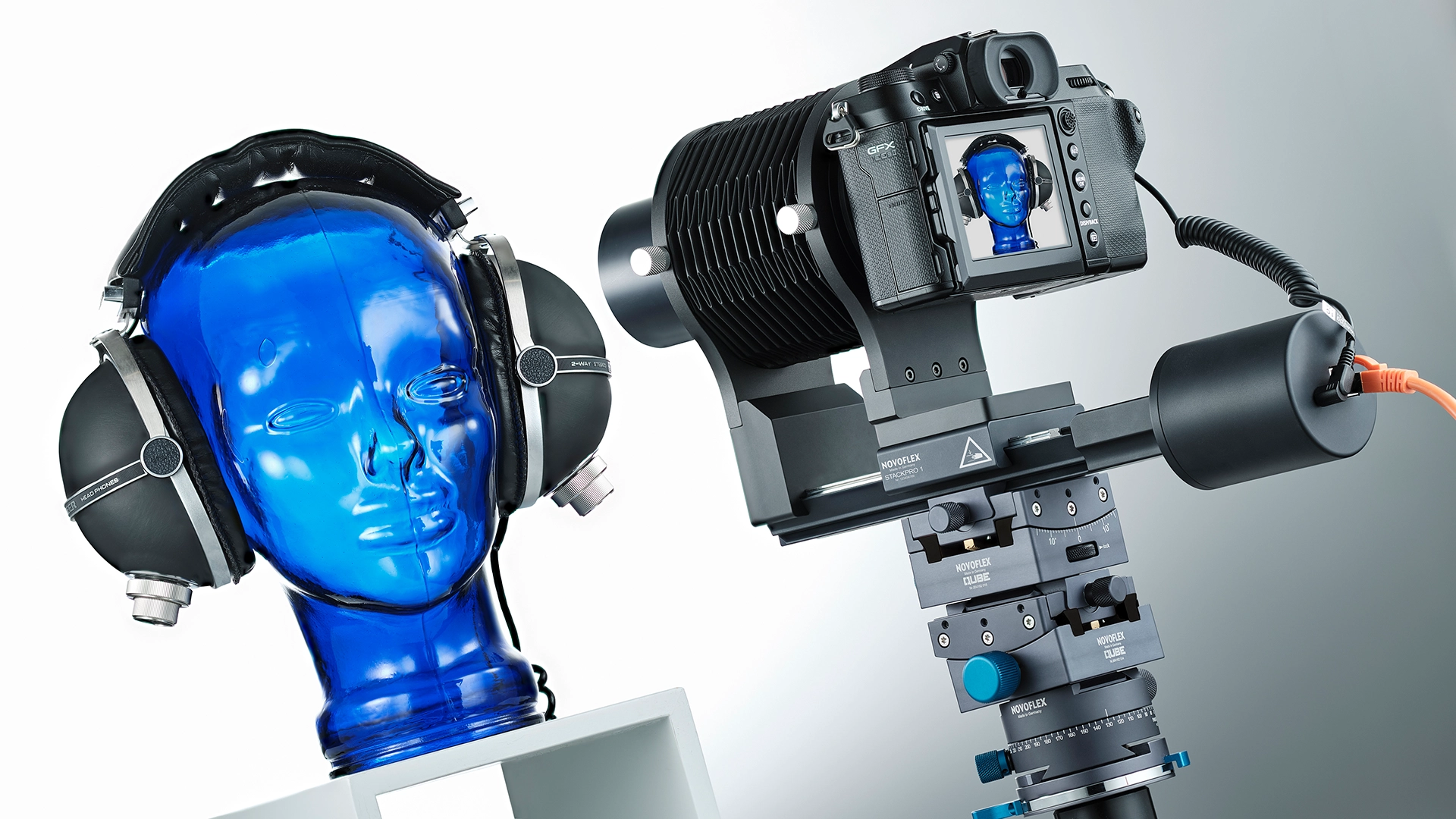
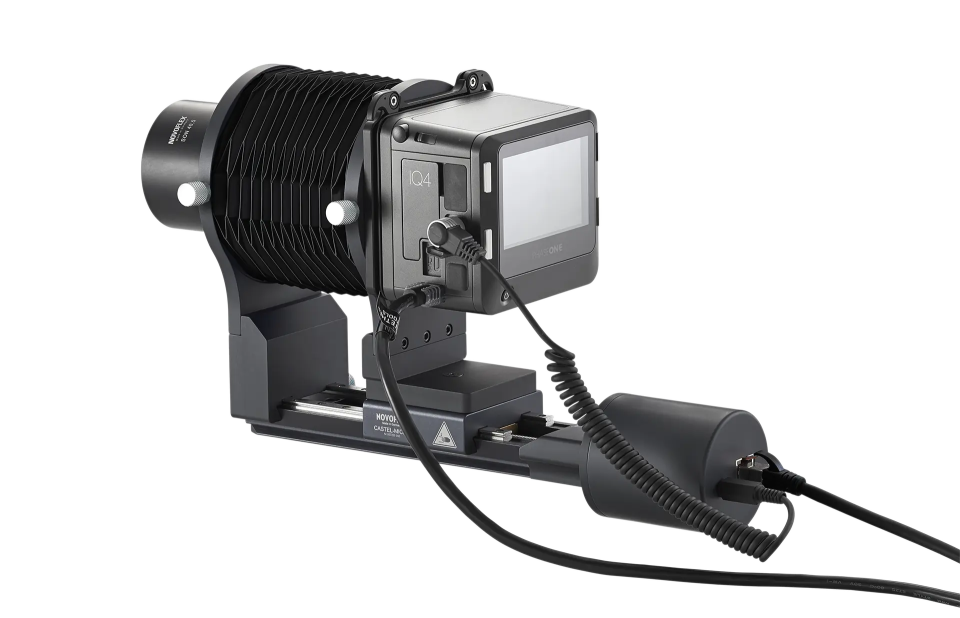
STACKPRO 1 – The stacking camera solution for sharpness from front to back and from top to bottom
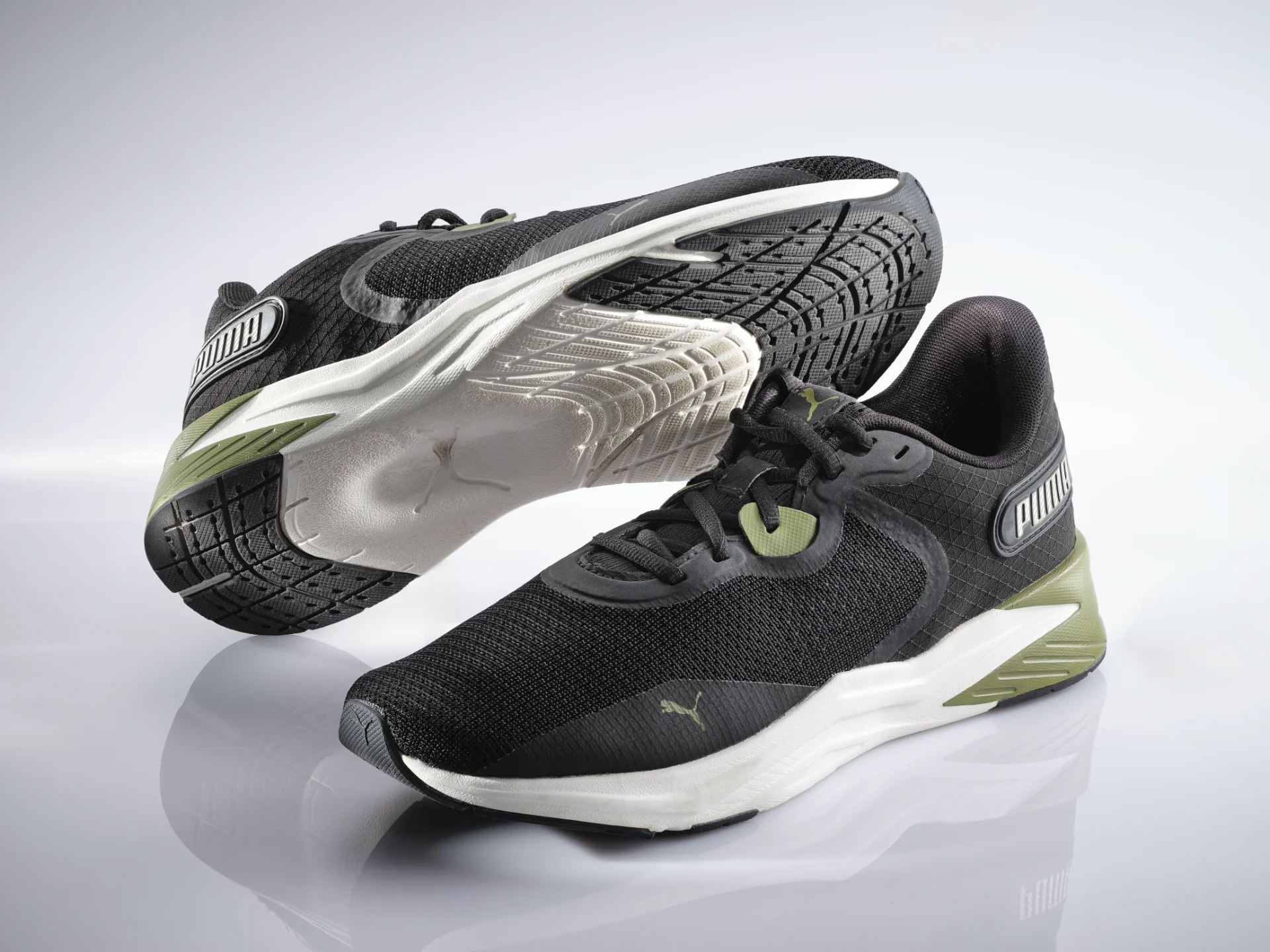
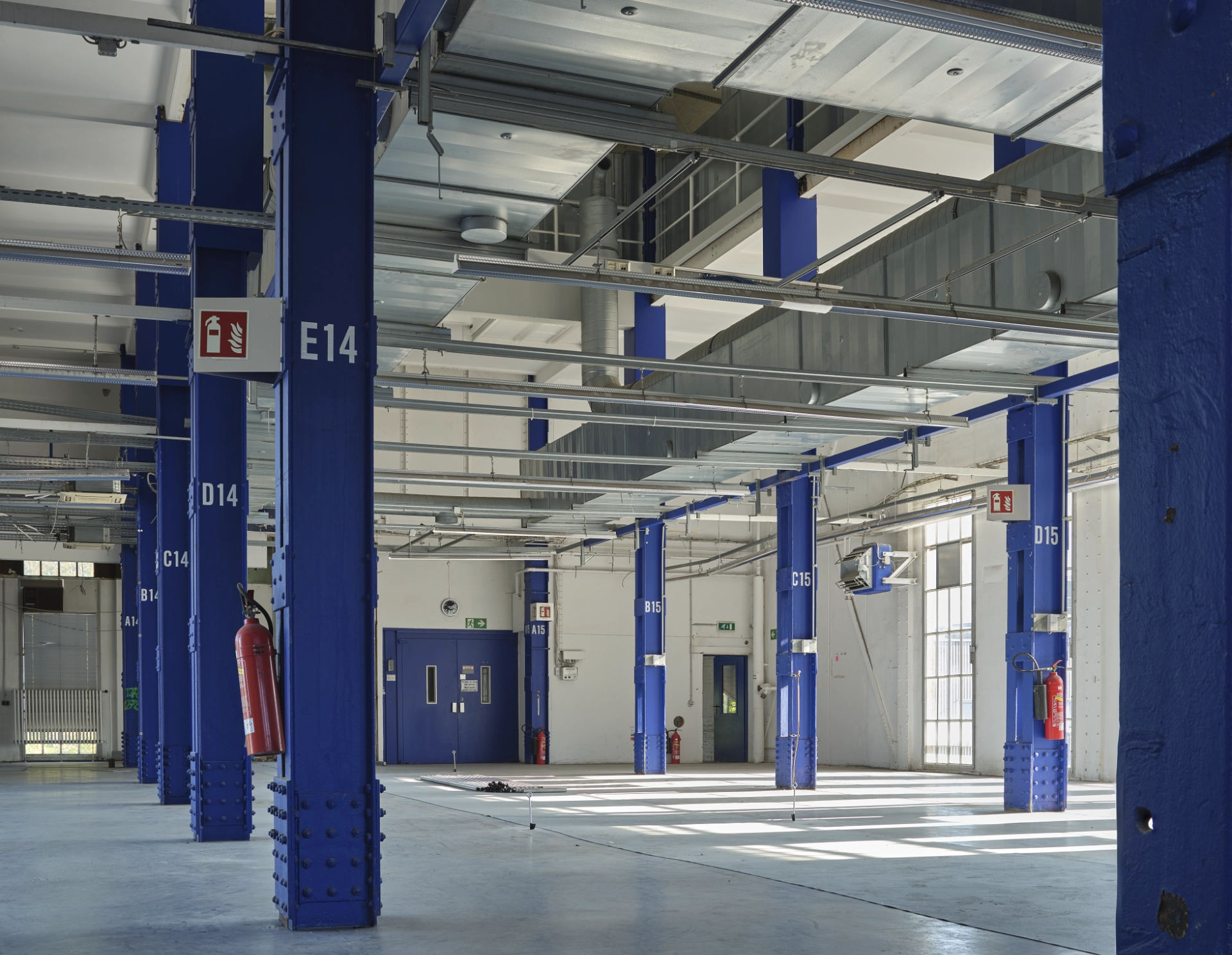
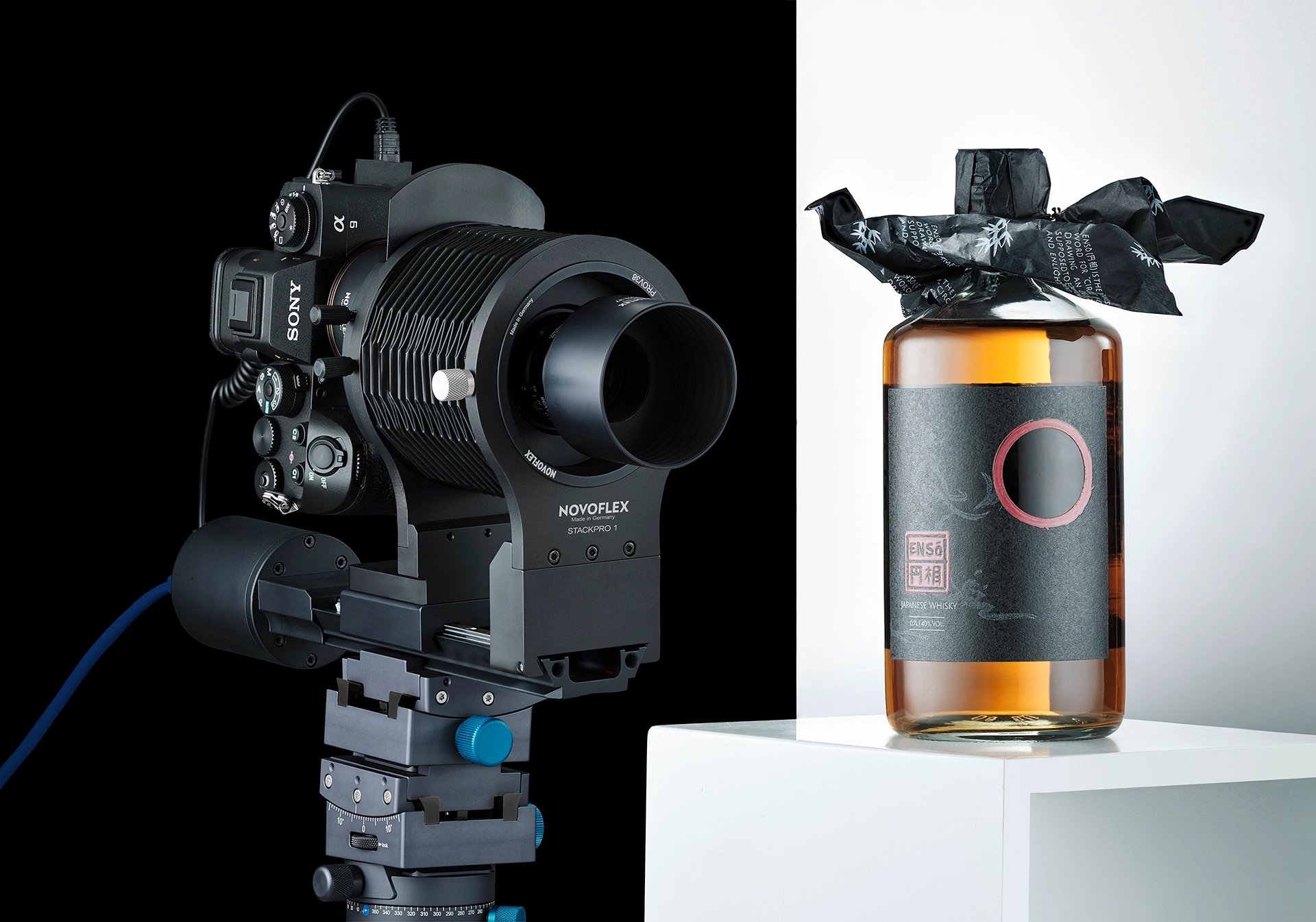
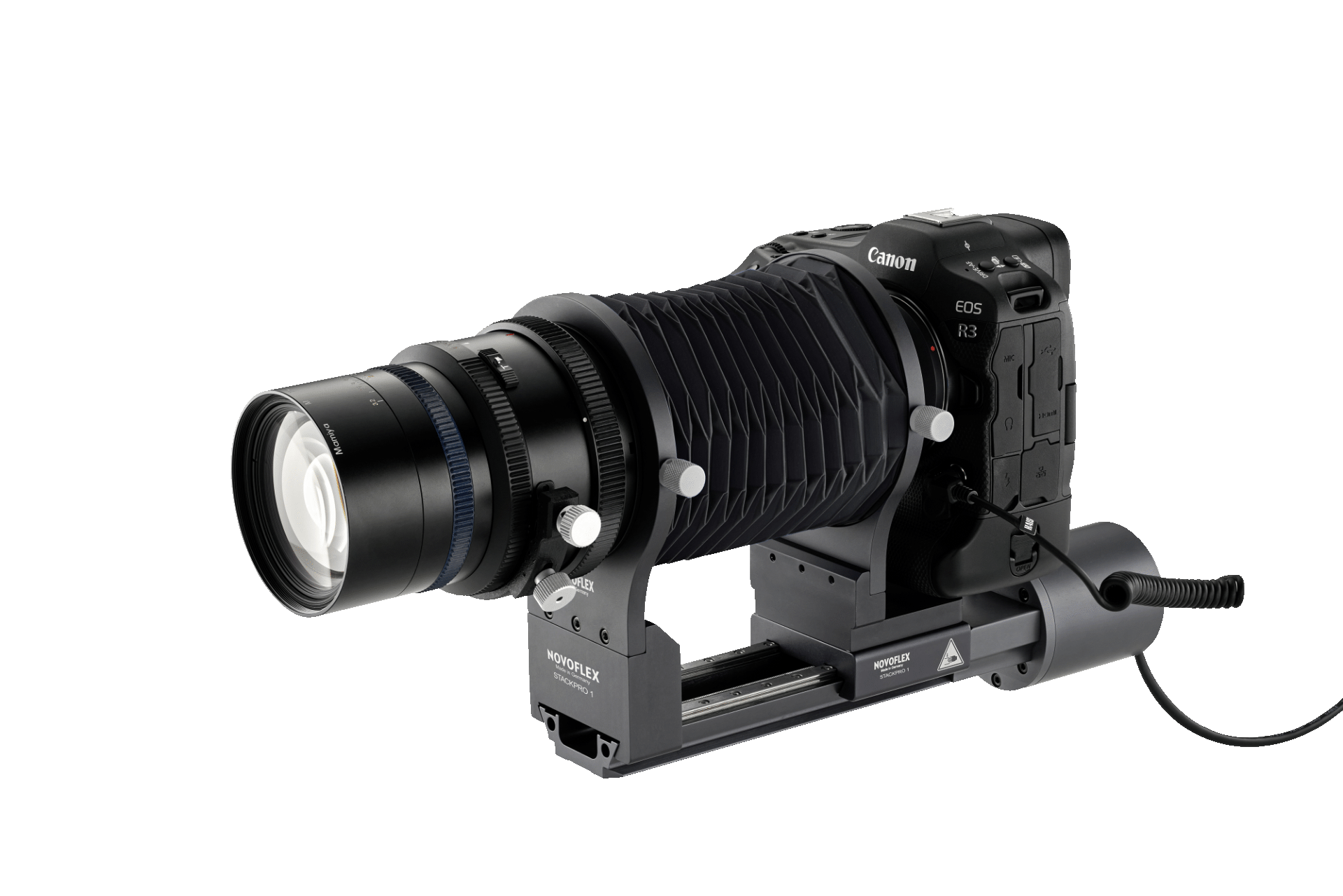
Maximum sharpness, absolute control and reproducible results – these are the key requirements of modern studio and object photography. Whether capturing products, technical details or demanding architectural subjects: as soon as depth comes into play, conventional photography quickly reaches its physical limits. STACKPRO 1 was developed precisely for these situations. It is a precise, professional solution for high-end focus stacking, covering the range from 1:1 to infinity – robust, well engineered and uncompromisingly designed for maximum image quality.
But this is precisely where the key challenge arises: there is often a significant gap between the demand for maximum image quality and the practical limits of conventional photographic techniques. Anyone working regularly in the studio or in object photography with complex shapes, depth, and fine details will be all too familiar with the following practical limitations.
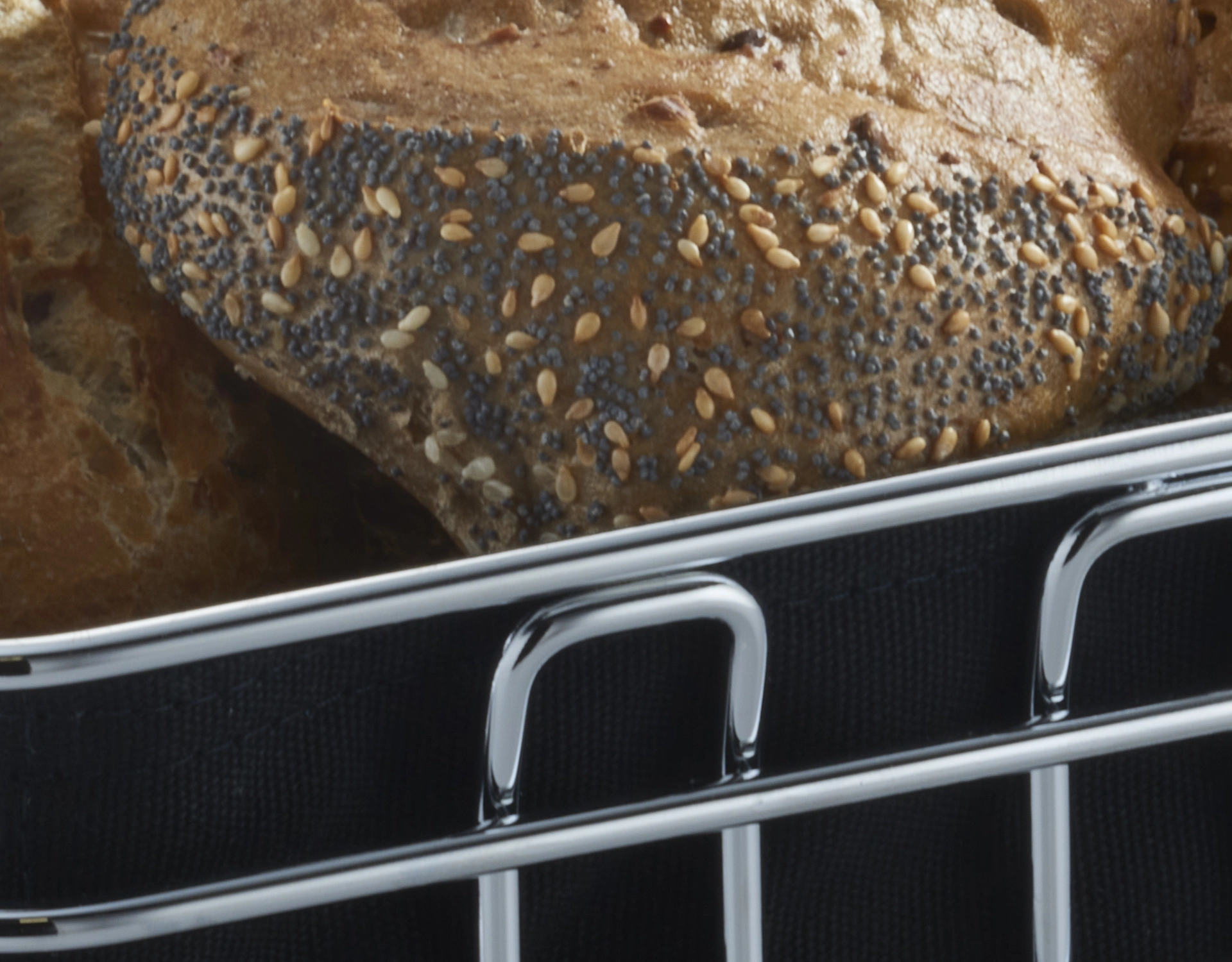
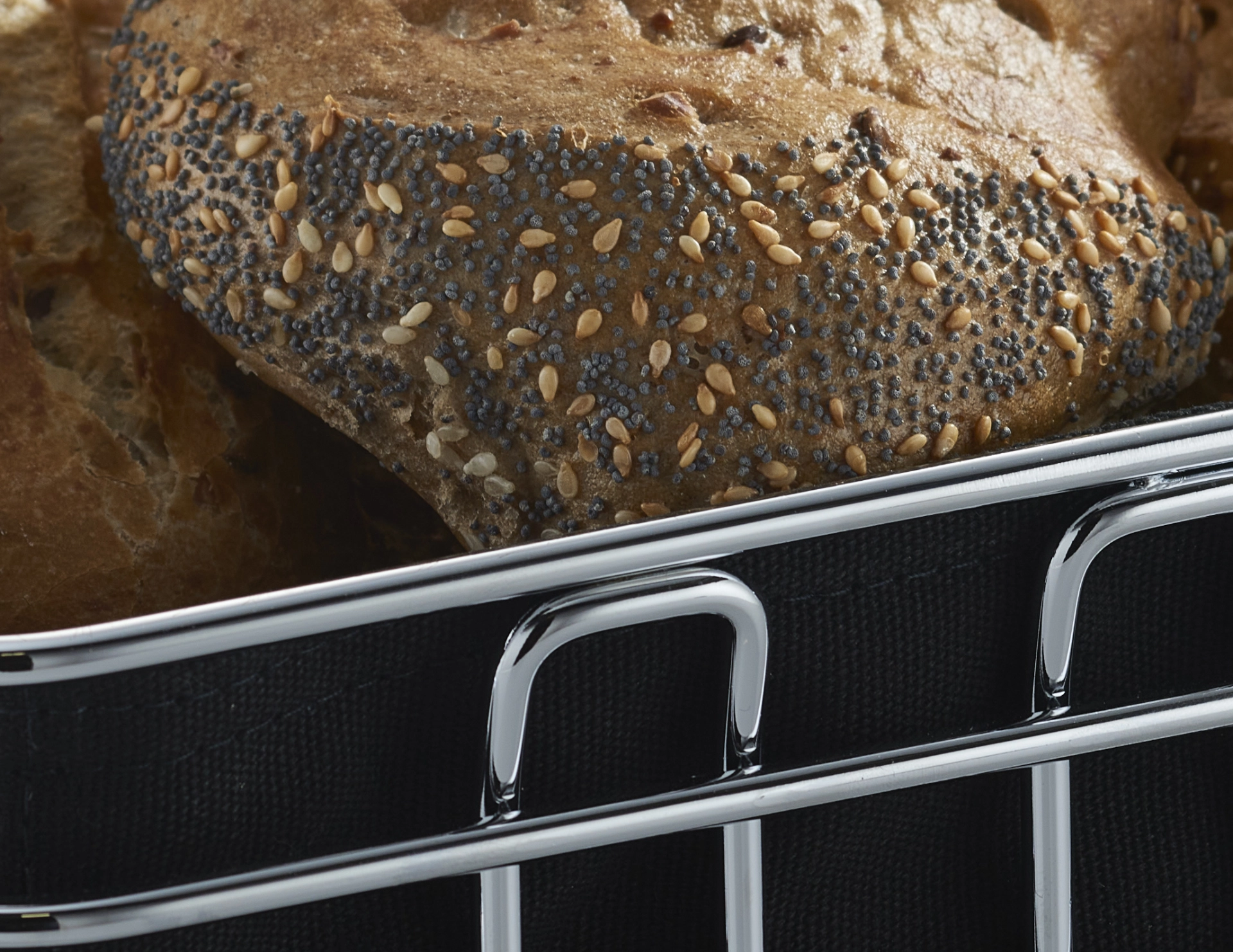
Limited Depth of Field and Stopping Down as a Quality Trap
At higher magnifications, depth of field becomes extremely shallow. While stopping down can increase it, using very small apertures inevitably introduces diffraction, reducing overall sharpness. The result: although stopping down increases depth of field, the perceived overall sharpness of the image decreases. Fine detail and microcontrast are lost, and the image appears softer – conventional techniques quickly reach their limits.
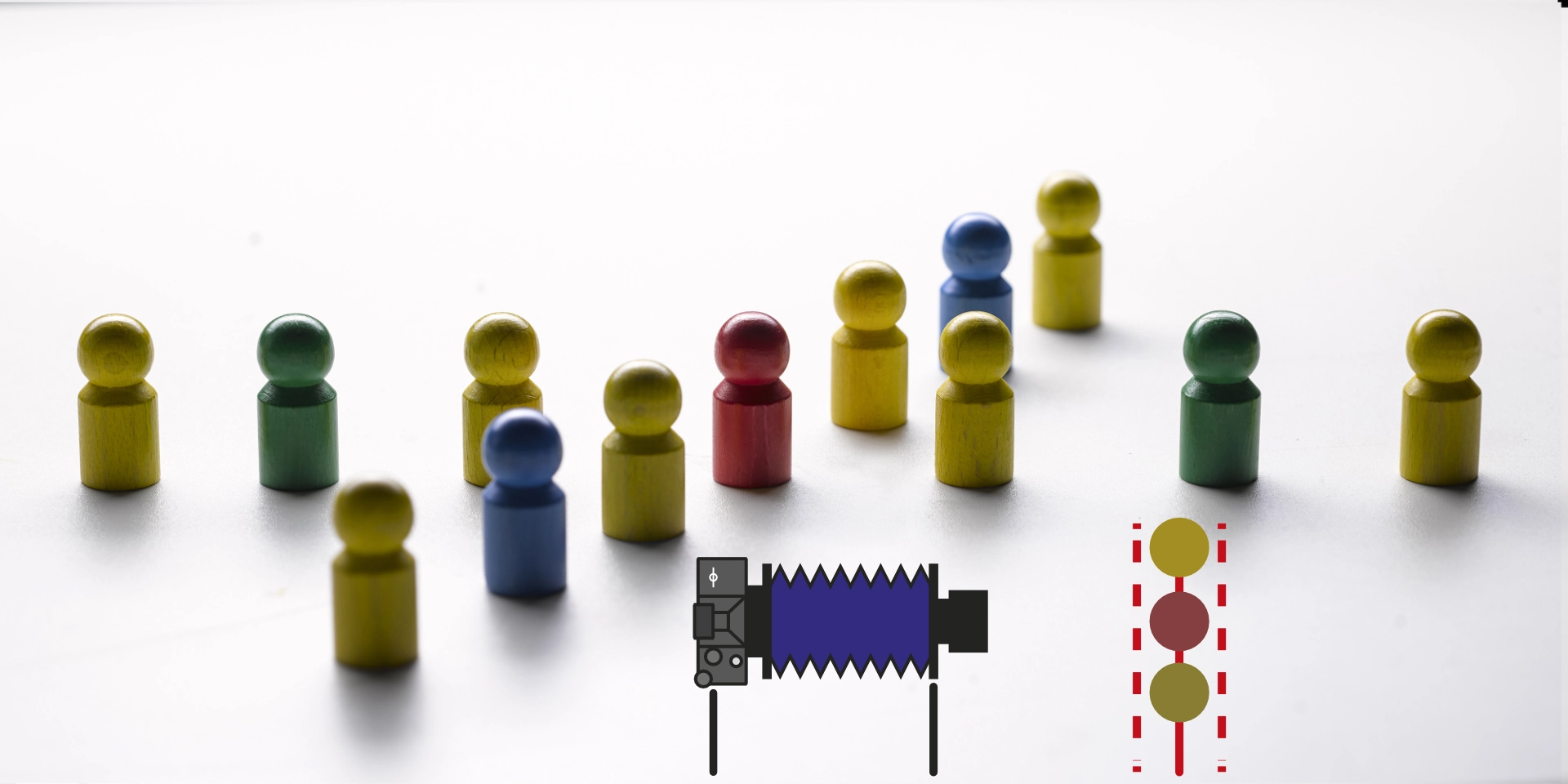
Limitations of Tilt-Shift Techniques
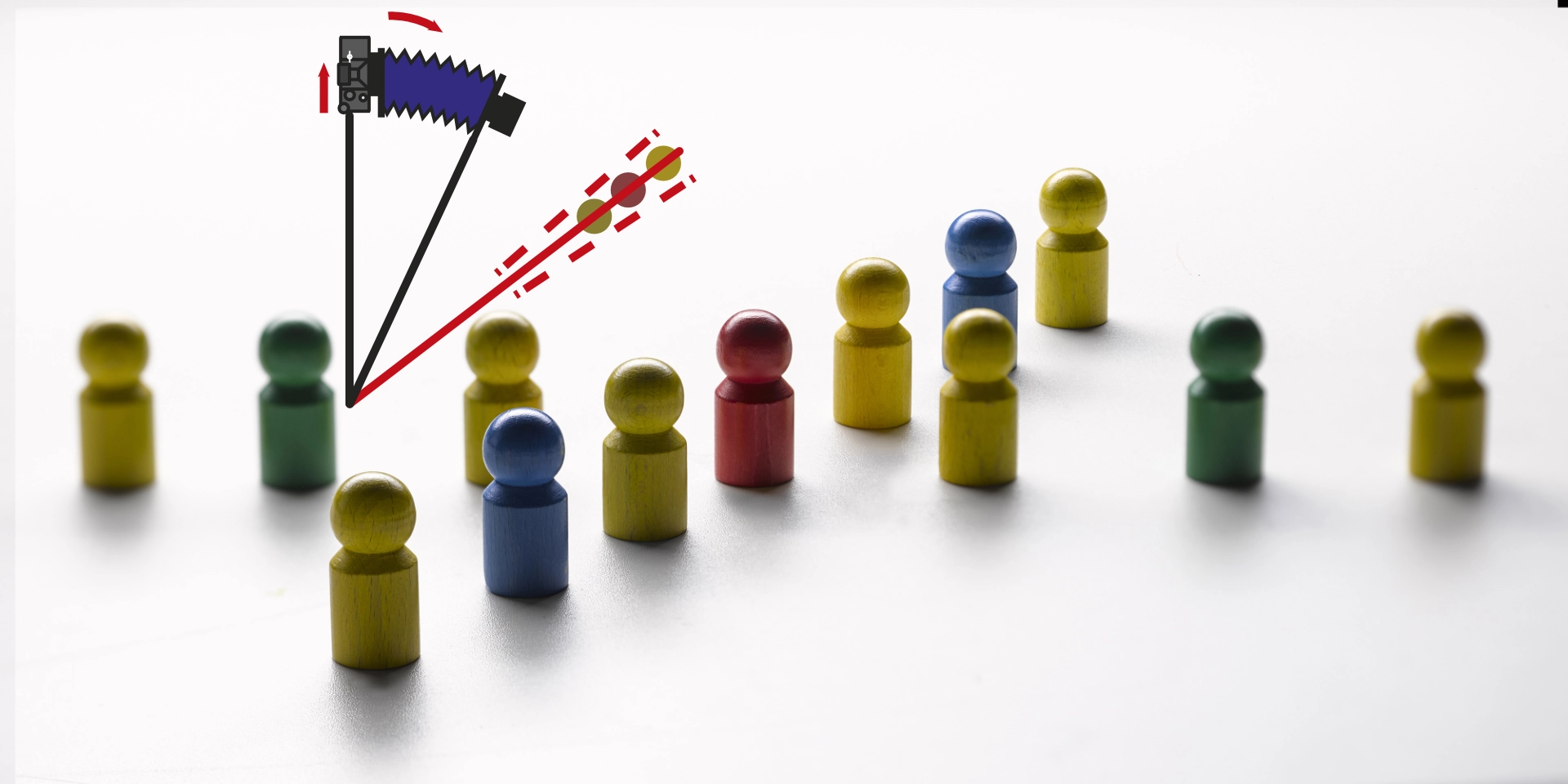
Tilt-shift techniques can influence the plane of focus, but they quickly reach their limits with complex or three-dimensional objects – rarely can subjects be rendered sharply from front to back and from top to bottom, as required for a full three-side view. Additionally, tilt-shift setups are expensive, not available for all focal lengths, and require significant handling experience.

Lack of Reproducibility
Manual focus adjustments are imprecise and hardly reproducible – a critical disadvantage for series production, scientific documentation, or consistent product photography. Even minor deviations can render an entire focus stack unusable, especially with complex objects or fine details. This leads to increased time spent on retakes and makes standardized archiving difficult. A precise, reproducible solution is therefore essential to ensure efficient workflows and consistently high image quality.
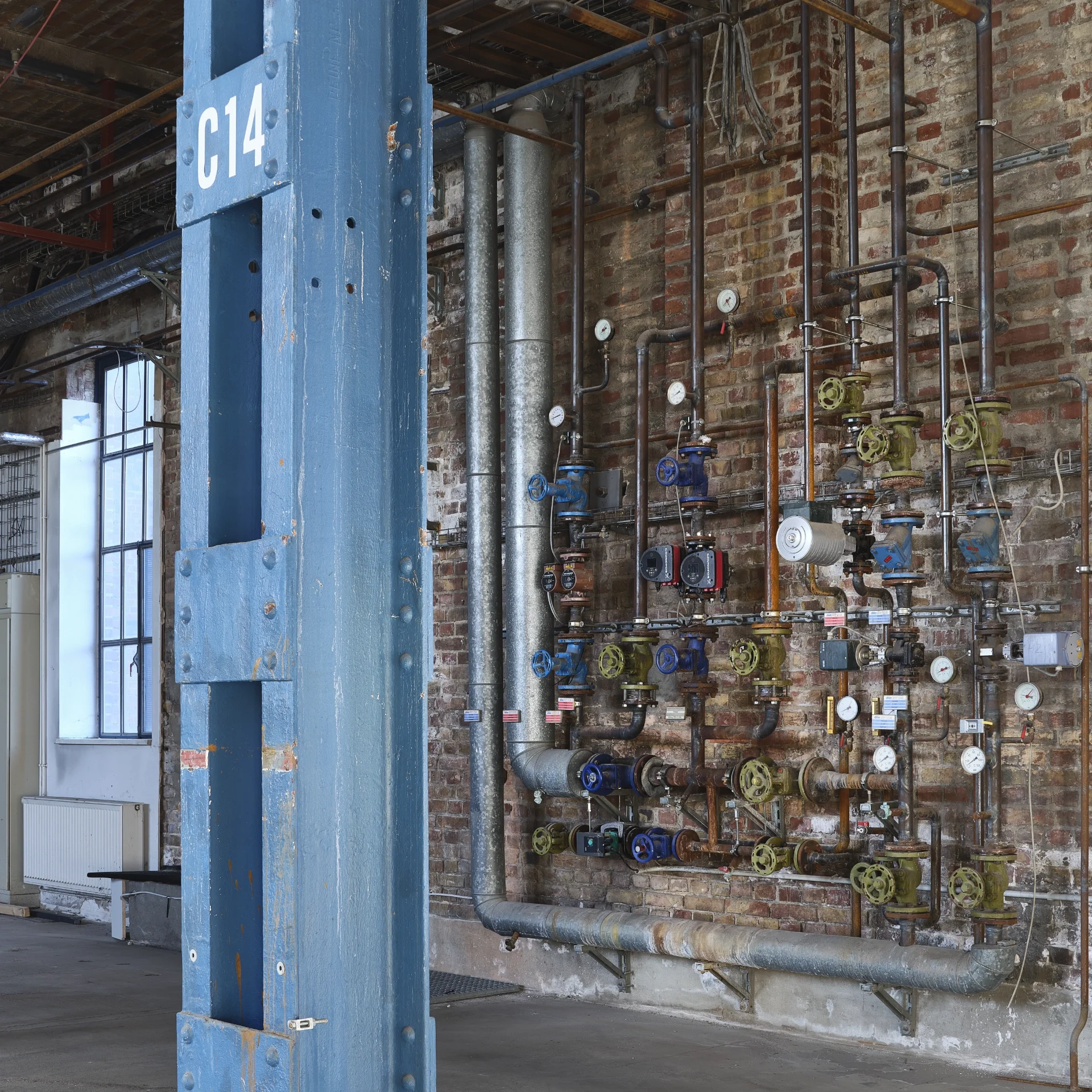
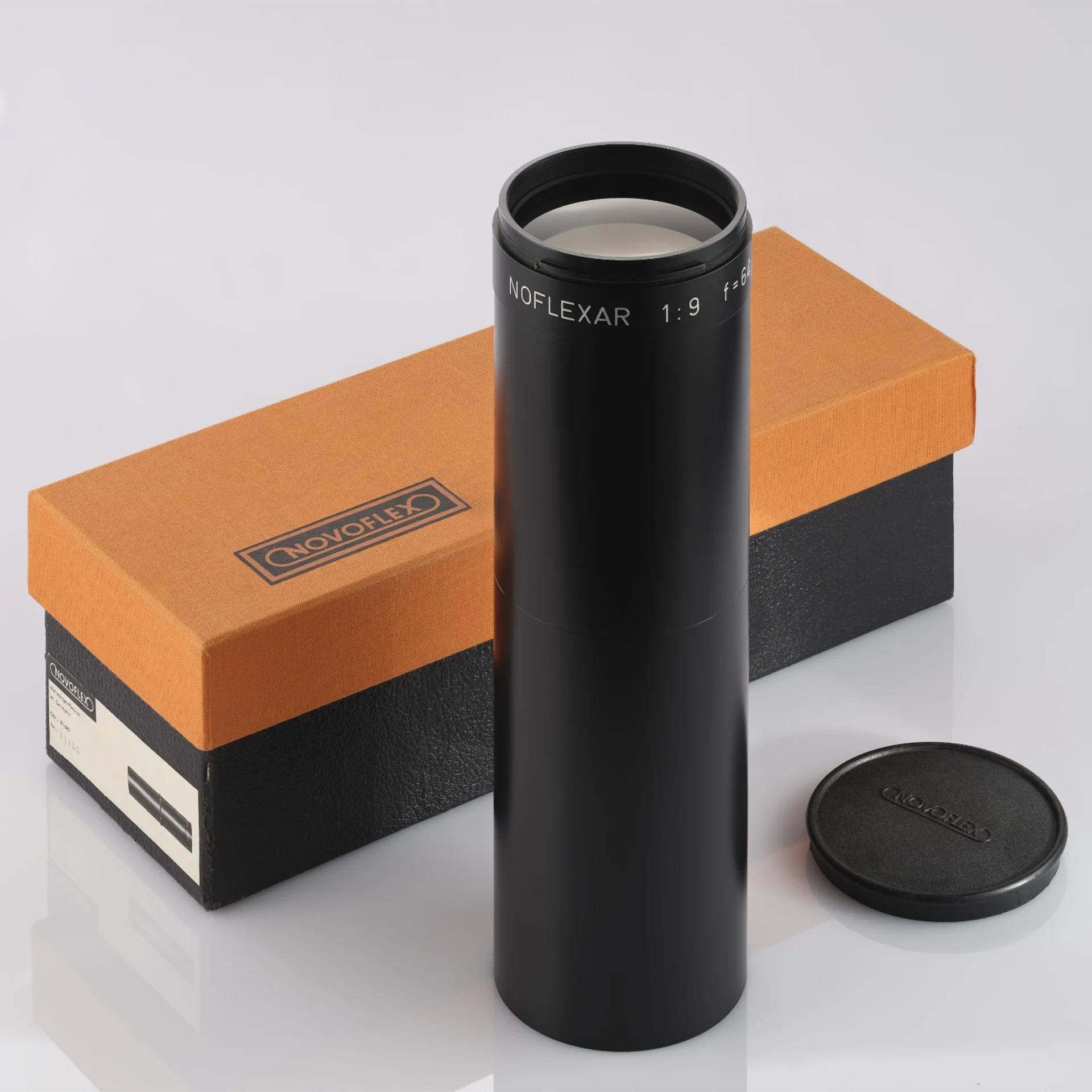
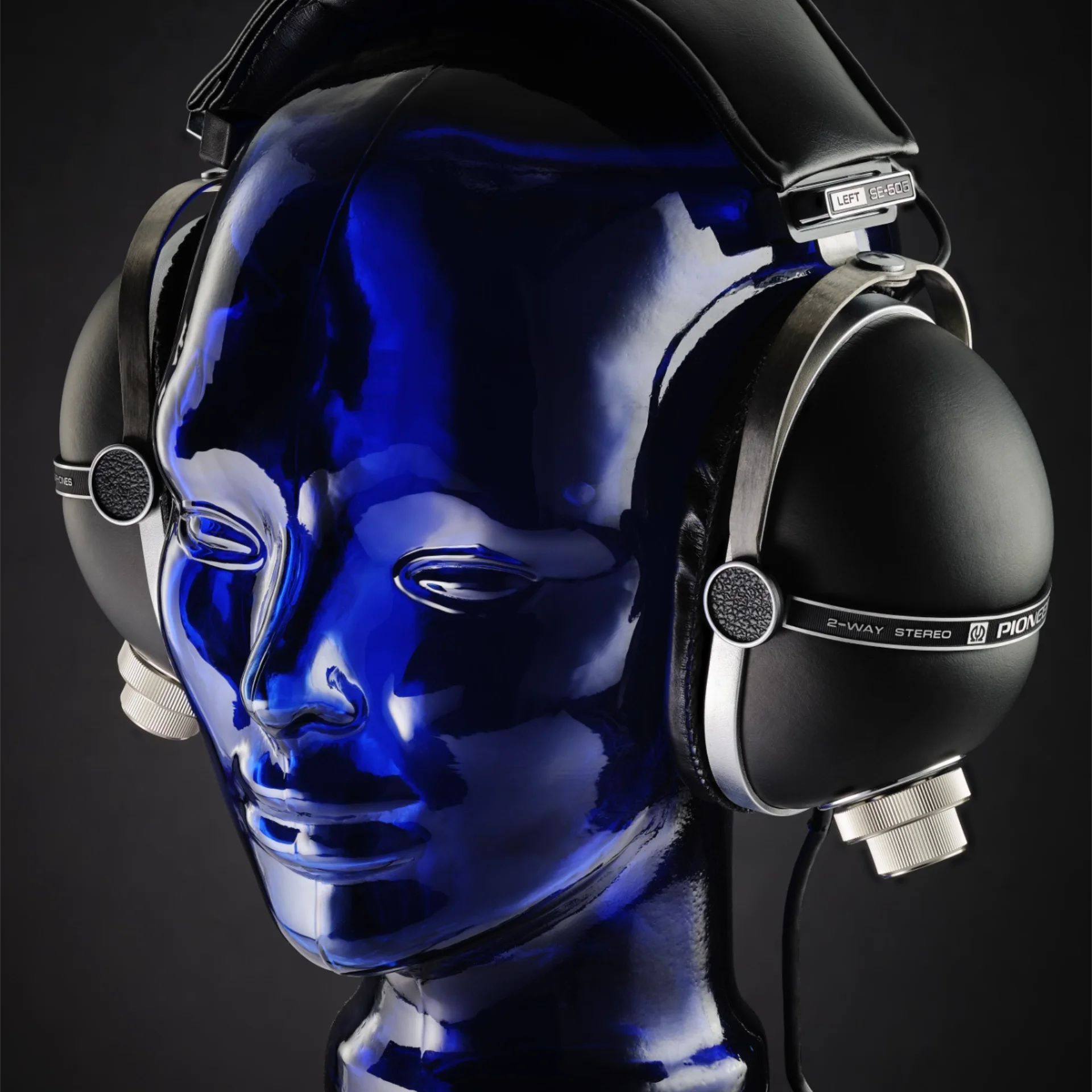
©Images - Michael Rogosch, University of Tübingen

Reasons for STACKPRO 1


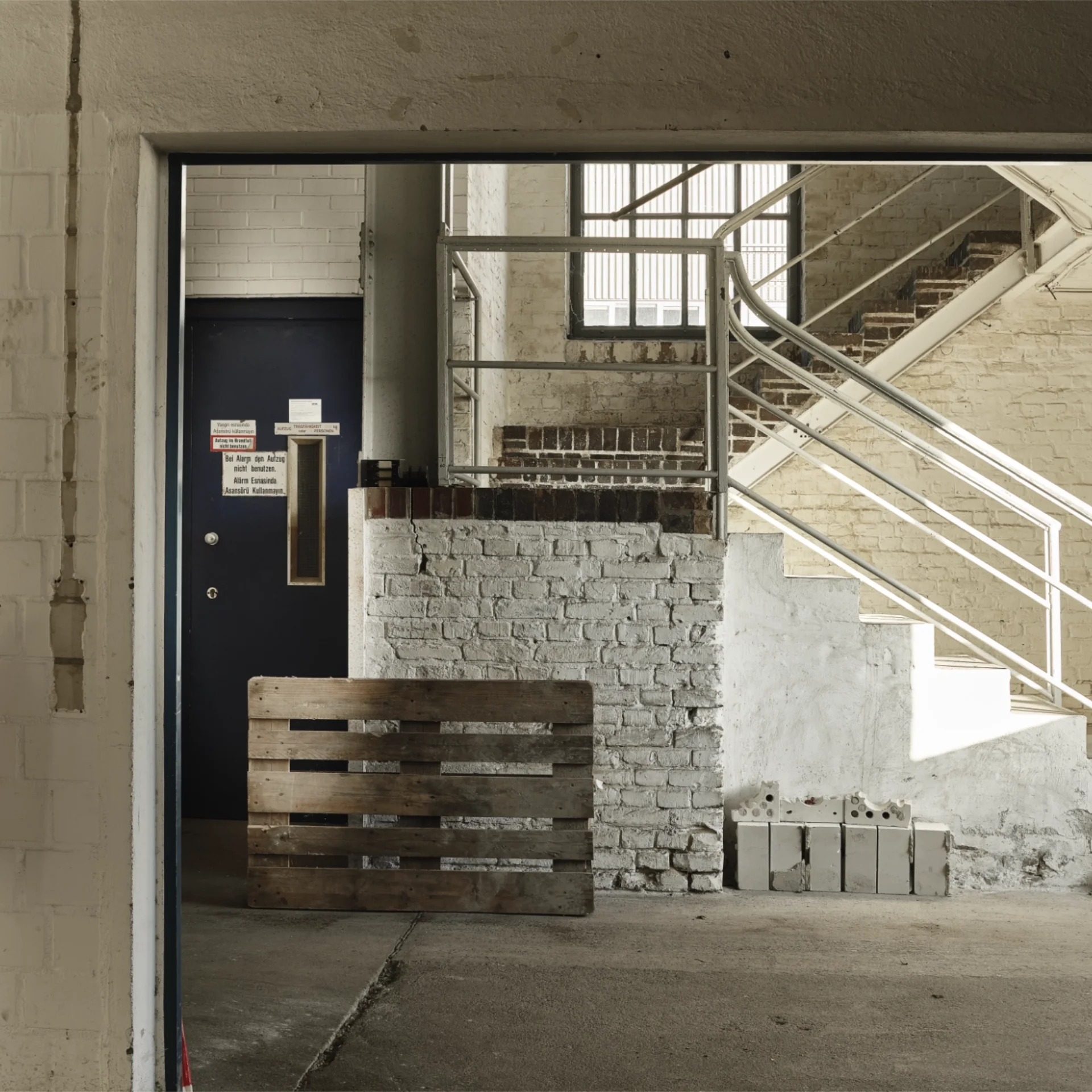
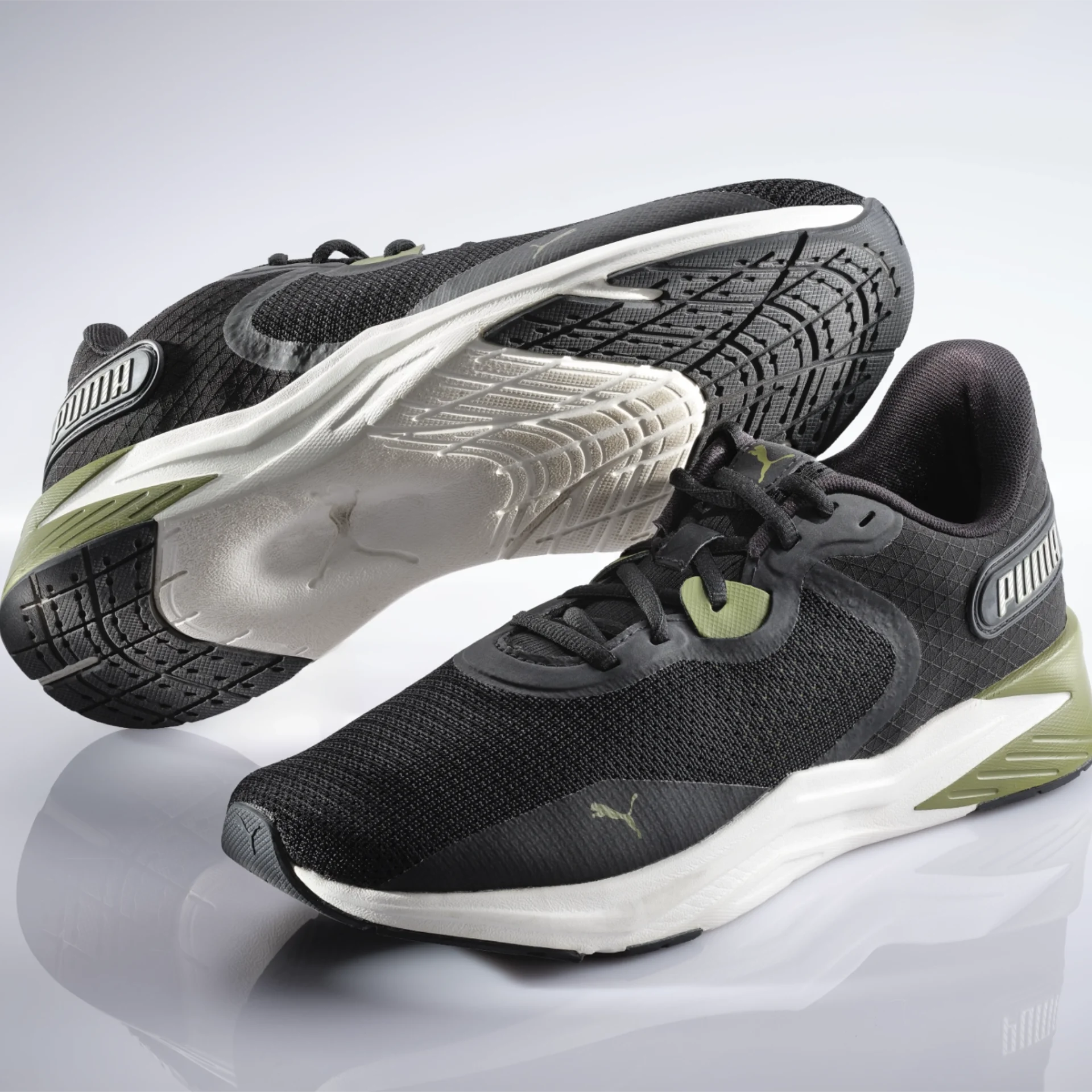
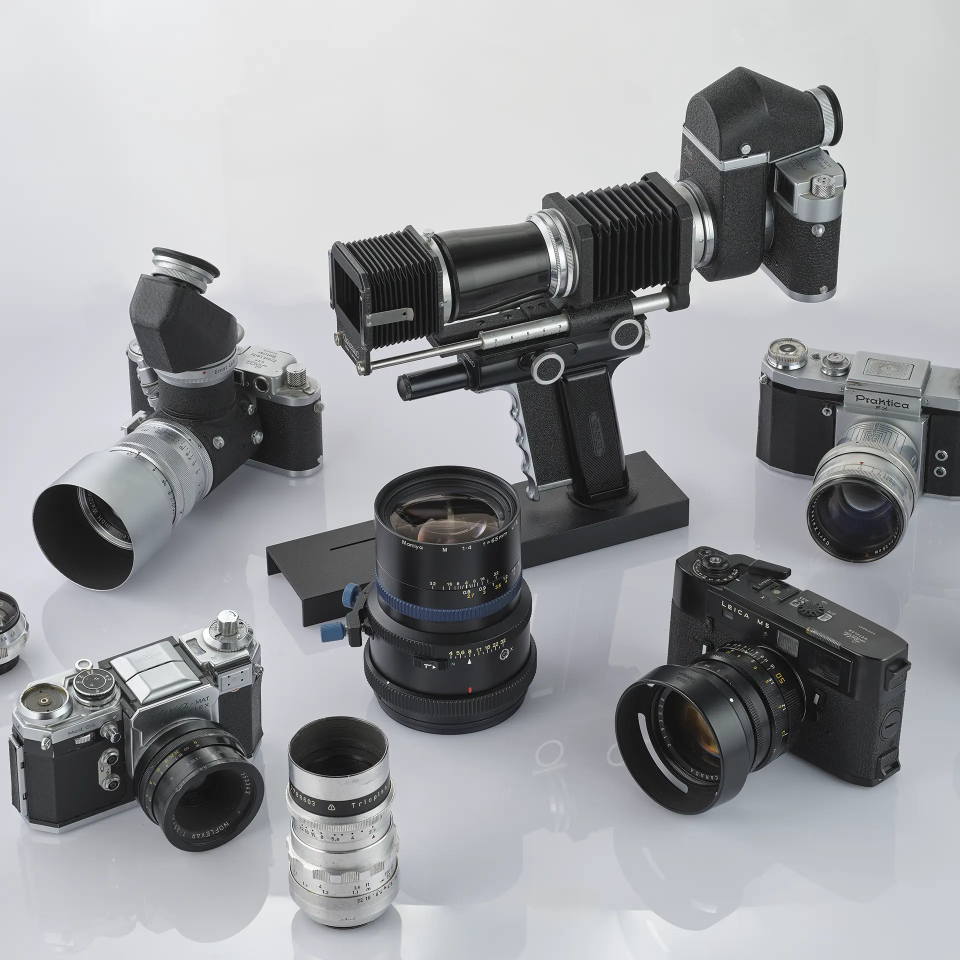
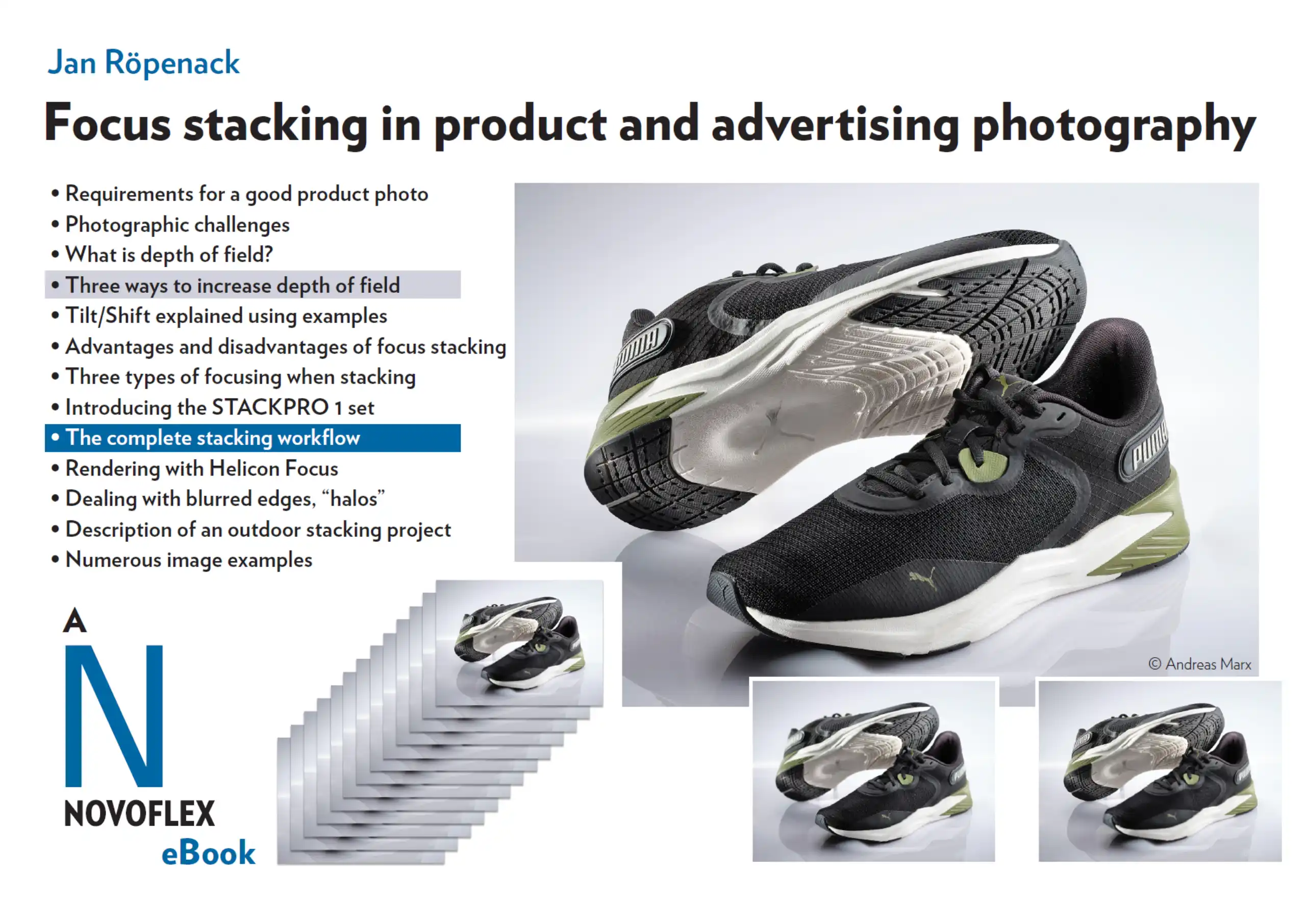
eBook: The STACKPRO 1 System in Detail
For anyone looking to dive deeper, we offer a comprehensive eBook for download.- Fundamentals of focus stacking
- System structure and components of STACKPRO 1
- Practical setup recommendations
- Step-by-step workflows
- Tips for post-processing and stacking software
eBook: Focus Stacking in product and advertising photography
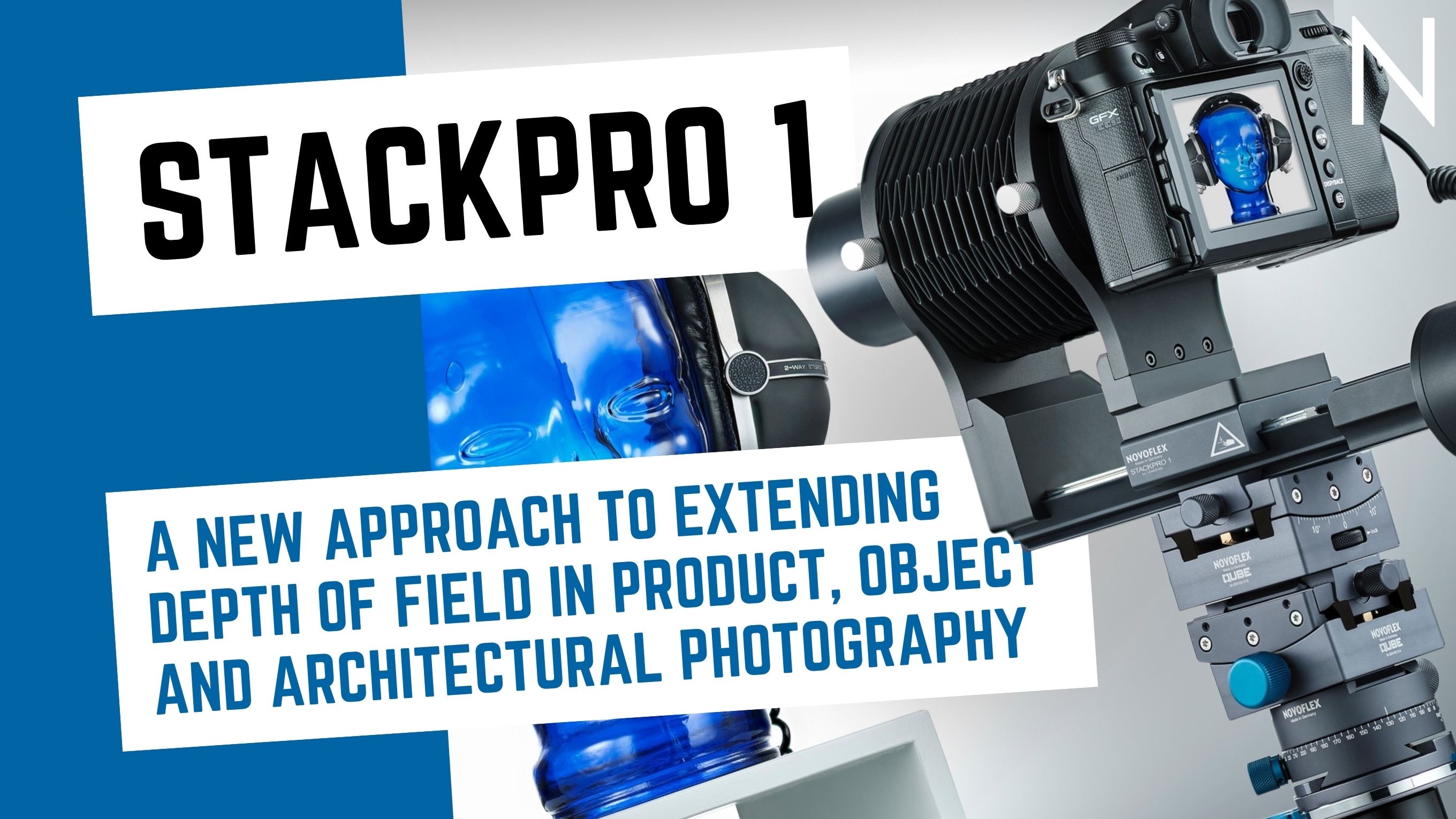
Available Product Categories for STACKPRO 1
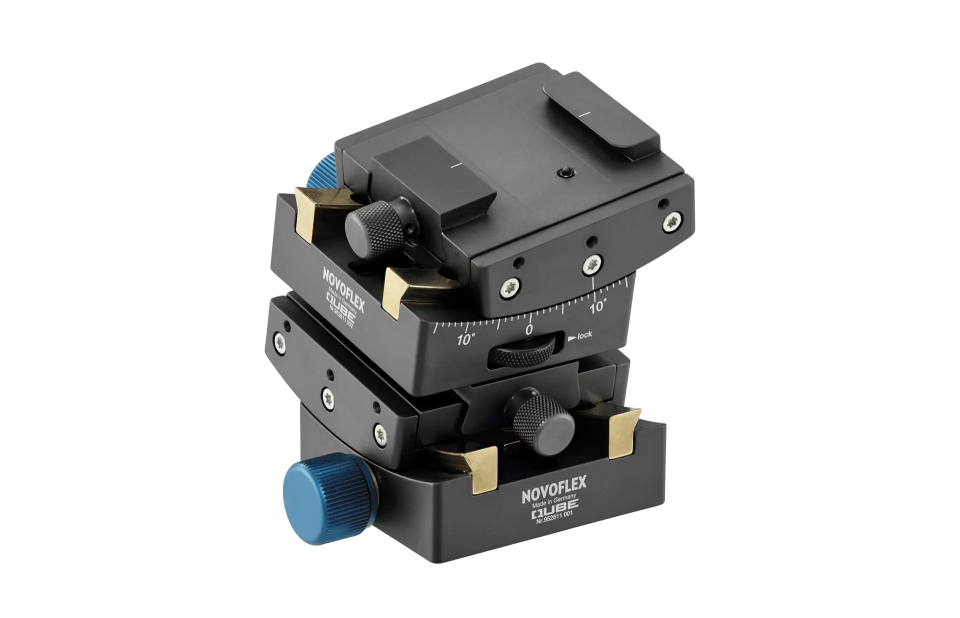
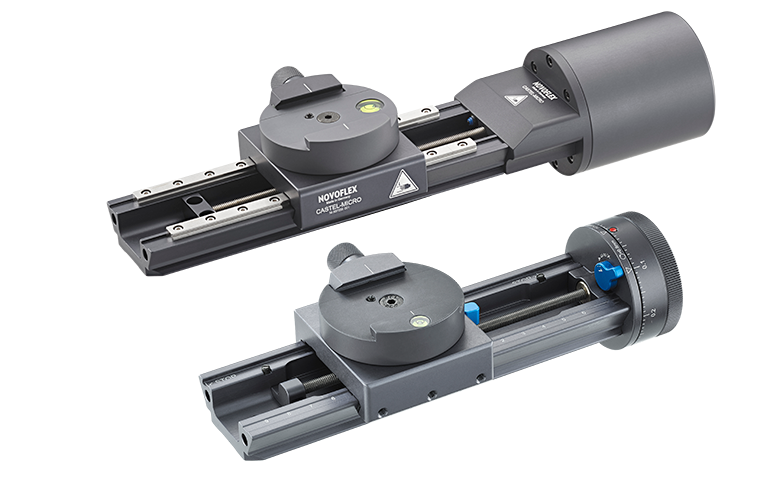
Here you can explore all available product categories for the STACKPRO 1 system. Choose from fully configured camera sets, essential accessories, or precision focusing rails for focus stacking in the macro range – find the components that best fit your workflow.